RECENT IMPROVMENT PROJECTS

Watershed Protection | Design and Construction

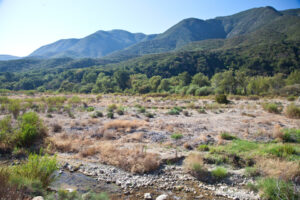
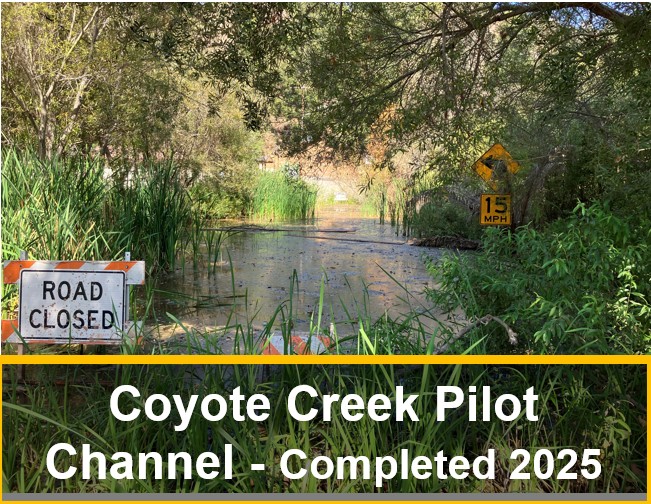
The project is located at Coyote Creek, a tributary to the Ventura River, near the unincorporated area of Casitas Springs. The project site is parallel to Casitas Vista Road starting approximately 500 feet upstream and approximately 1,100 downstream of Camp Chaffee for a total project length of approximately 1,600 linear feet.
The storm events experienced early in 2023 caused flooding in the areas adjacent to Coyote Creek. The strength and duration of the storms experienced in early 2024 furthered sediment buildup in the creek by bringing sediment from the nearby mountains down the creek. After most of the water had receded, the extent of accumulated sediment within the creek was especially evident at the Camp Chaffee Road low water crossing, where there was approximately 4 feet of sediment and surface water on top of the existing road surface.

The Project involved excavating 1,600 linear feet of a pilot channel 25 feet wide and 5 feet deep (average) tying to the existing topography. The existing terrain was heavily vegetated which also contributed to the sediment buildup by slowing down the water; this causes sediment suspended in the water to settle and deposit over time and required removal of vegetation, trees, and shrubs within the limits of the pilot channel. Vegetation was also cut down to provide construction equipment access. In addition, a private bridge that was obstructing the flow of the creek and contributing to sediment buildup was removed, along with heavily damaged structures from the flooding. The project was completed with funds from the Natural Resource Conservation Service, the County of Ventura, and funds raised by the local community.
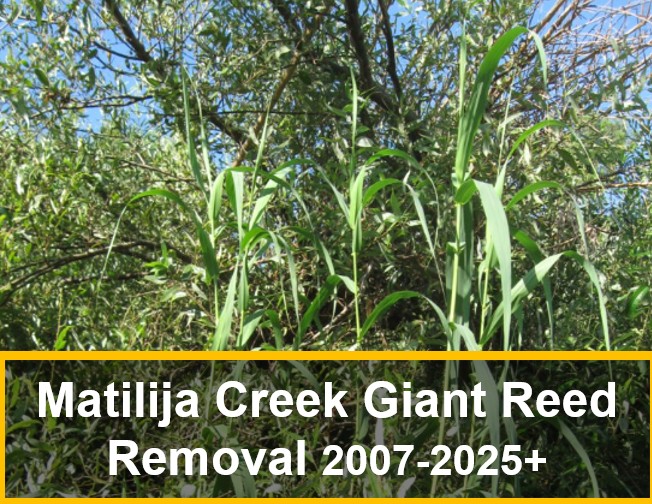
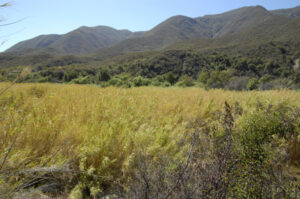
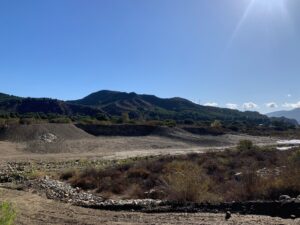
The Matilija Creek Giant Reed Removal Project (followed by re-treatments) was initiated in Fall 2007 with State Water Resources Control Board grant funds to improve habitat quality along 15 river miles in advance of Matilija Dam removal. A suite of non-native plants, including giant reed, have been retreated approximately 1-3 times per year since 2007, allowing native plants to recolonize the floodplain ecosystem. In 2025, the non-native plant removal effort was taken over by Ojai Valley Land Conservancy, a local project partner.

Matilija Giant Reed Removal Before

Matilija Giant Reed Removal After

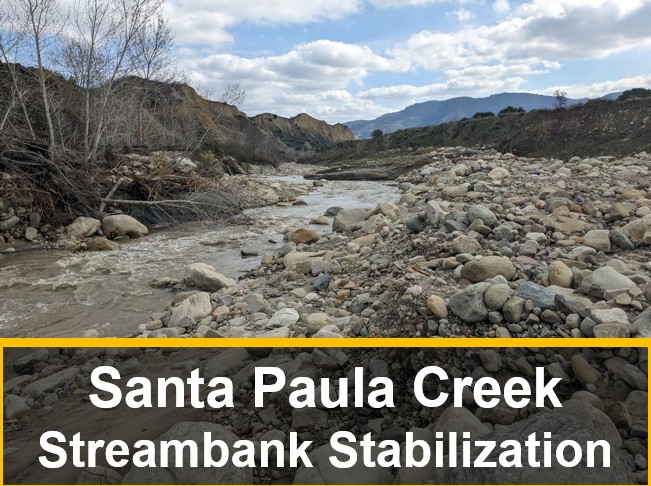
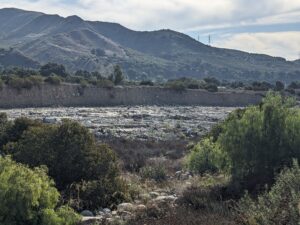
The 2023 winter storms produced heavy rainfall and caused major damage to Santa Paula Creek. As a result of the storms, agricultural land along the east bank, and residential properties along the west bank were damaged. The storms damaged and destroyed ten of the spur dikes (structures built perpendicular to a riverbank to protect it from erosion and to manage water flow) and caused substantial erosion.
Between October and December 2023, the District conducted emergency repairs to address the storm damage and bank erosion. The District re-established approximately 1,200 linear feet of the meandering low flow channel into a pilot channel, similar to what had originally existed between the spur dikes.
To further repair the damaged banks and to reduce risks to homes from future storm damage, the project replaced seven spur dikes along Santa Paula Creek, realigned the channel, and revegeted the impacted areas with native alluvial scrub and riparian species.

Santa Paula Creek Before

Santa Paula Creek After

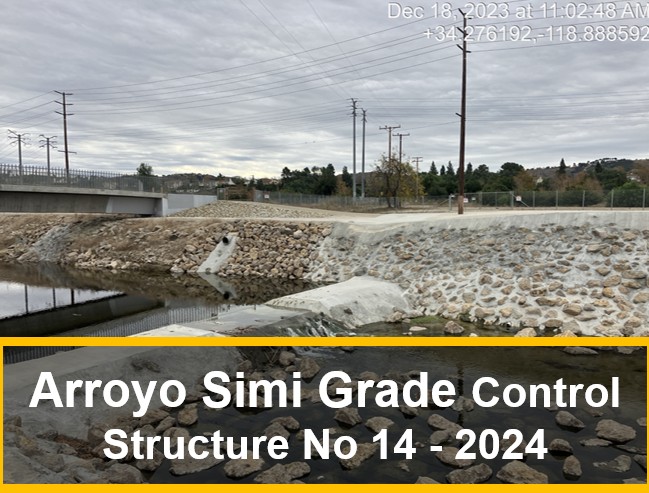
VCPWA-WP is constructing a new grade control structure in the Arroyo Simi approximately 100 feet downstream of the Leta Yancy Pedestrian Bridge in the City of Moorpark. Grade control structures help control the flow of water in the Arroyo Simi. The existing facility was damaged during the storm seasons of 1998 and 2005, and completely failed late in 2014. The new grade control structure will prevent the channel bed and banks from future erosion and protect the existing pedestrian bridge, storm drain laterals, adjacent properties, and upstream facilities.

The project components include removal of the existing failed concrete and rock grade control stabilizer with a new concreted rock riprap grade control structure, concreted rock riprap bank protection, steel sheet pile end sill with reinforced concrete pile cap, and a rock riprap stilling basin. Construction incorporates a concrete overpour and V-ditch to direct offsite flows, access roads, fencing, and gates.

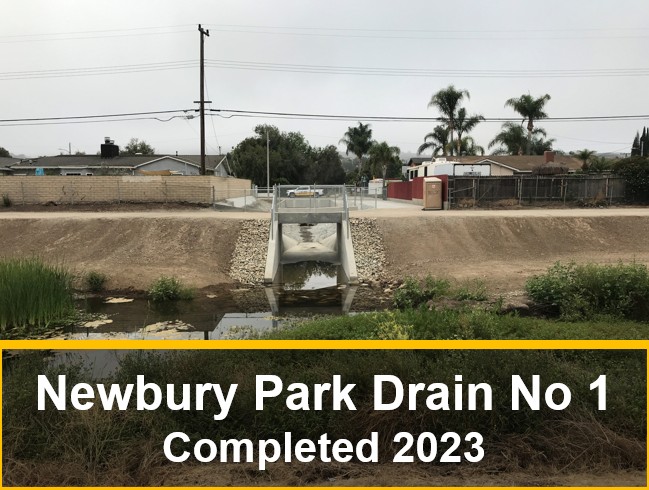
This construction project provided repairs and enhancements to the downstream end of the Newbury Park Drain No. 1 from its confluence with the South Branch Arroyo Conejo in Newbury Park to Michael Drive. The channel is located just east of Wendy Drive. Over the years, the corrugated metal pipe (CMP) had deteriorated and the unprotected trapezoidal earth channel experienced significant surface erosion. Without the repairs, the adverse processes will exacerbate the poor condition of the CMP and the trapezoidal channel.

This project consisted of the replacement of existing 8’ diameter corrugated metal pipe culvert with a 12’ wide by 8’ high reinforced concrete box culvert, including reinforced concrete outlet and transition structures, and rock lining of a 62’ long by 38’ wide trapezoidal earth channel.

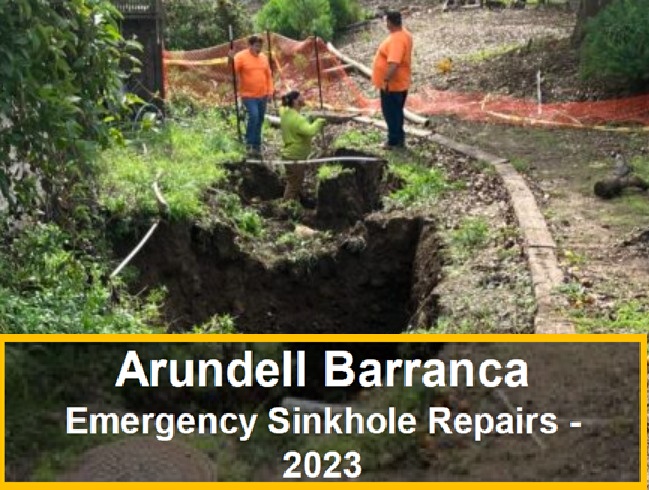
Arundell Barranca

An emergency contract was awarded to take immediate action to mitigate the fast expansion of sinkholes threatening seven residential properties off Foothill Road in the City of Ventura. The uncontrolled expansion of the sinkholes was a result of the recent storm events of late December 2022 and the early weeks of January 2023. The existing 55-year-old metal pipe failed, causing stormwater to undermine the pipe and eroded the soil underneath it. The failed corrugated metal pipe (CMP) was buried in the backyard of seven residential properties. The most clear and imminent threat was a sinkhole that had exposed the reinforced concrete footing of a complex and cascading retaining wall system that supports a swimming pool and a patio area. In addition, storm flows caused significant erosion around and underneath the pipe as they have been naturally redirected underneath the corroded sections of the pipe, thus discharging a large volume of sediment into Arundel Barranca. The contractor mobilized to take immediate action to protect the project site, stabilize the retaining wall and extensive sinkhole, and reestablish the failing CMP storm drain system to a functional state to prevent further dirt/sediment discharge into its receiving channel (Arundell Barranca).

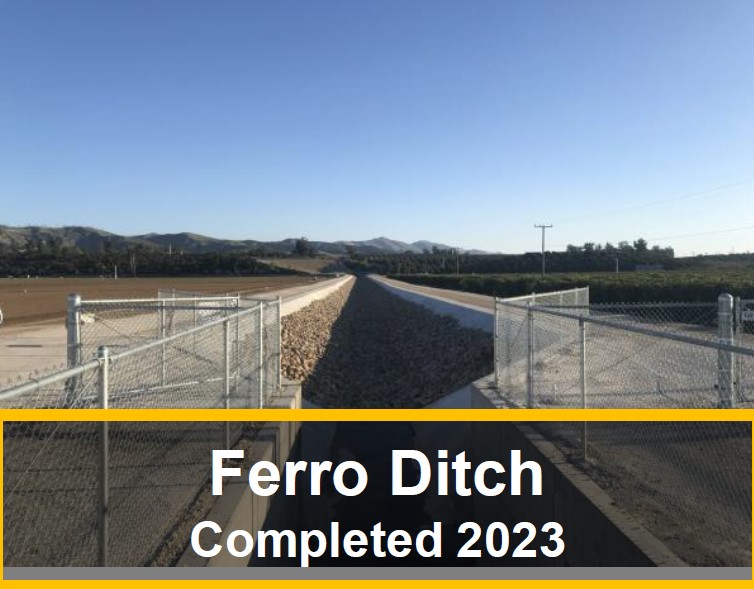
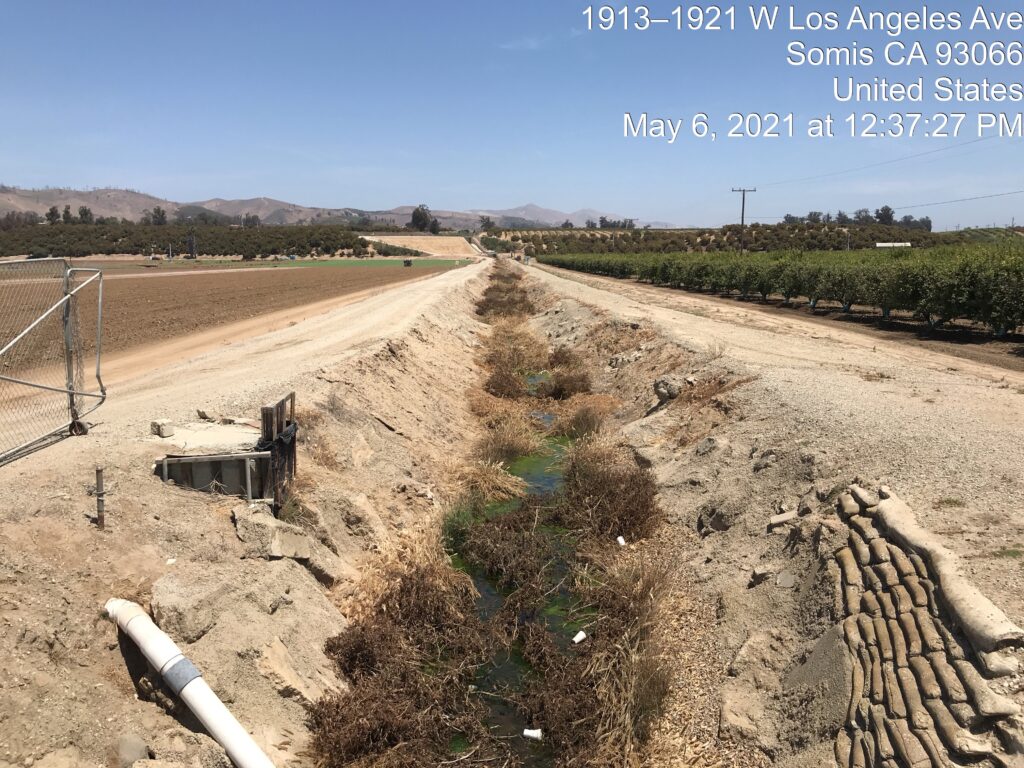
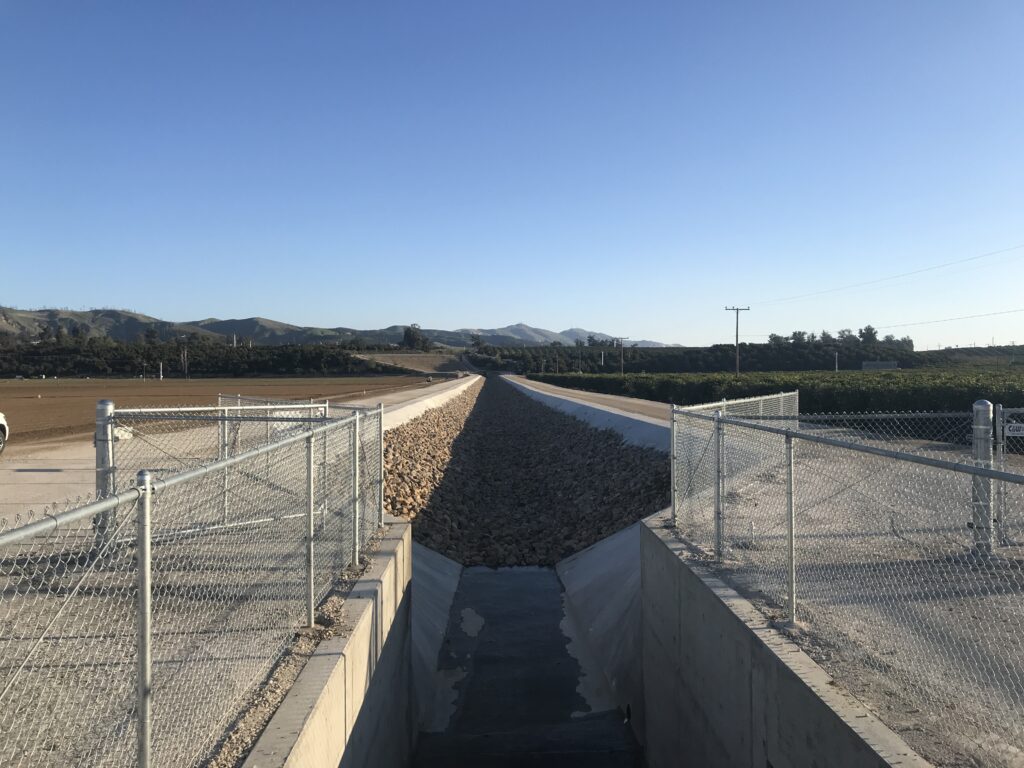
The finished project will increase public safety by improving access along the Ferro Ditch to the Ferro Debris Basin for maintenance and emergency response during flood events. Additional benefits include increased protection of adjacent agricultural lands, reduced erosion, and channel maintenance costs, and improved water quality in receiving waters including the Mugu Lagoon.

The project consists of the replacement of approximately 1,687 linear feet of earthen and intermittent concreted rock lined sections of trapezoidal channel with 10 linear feet of concrete box culvert, 35 linear feet of RC open rectangular channel, 30 linear feet of concrete transition between the rectangular channel and trapezoidal channel sections,1,507 feet of rock lined trapezoidal channel, 40 linear feet of reinforced concrete flood control wall with floodgates, traffic control, agricultural drainage line relocation, removal and reinstallation of rock in a stilling basin, contour grading and appurtenant work.

Ferro Ditch Before

Ferro Ditch After

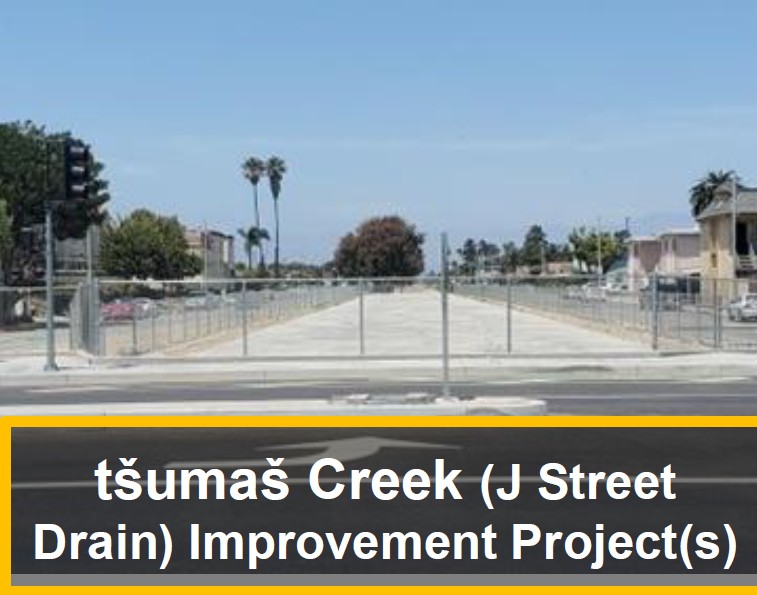
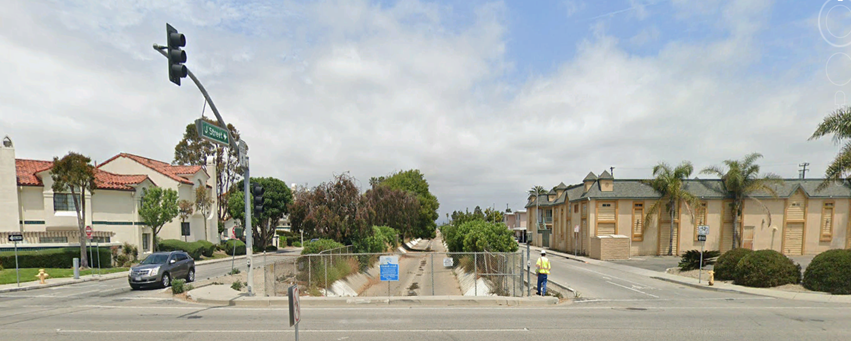
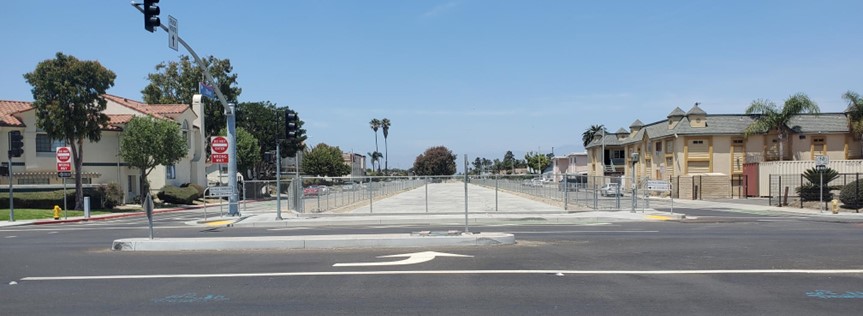
Removal of 780 linear feet of trapezoidal concrete channel along J Street and 90 linear feet of reinforced concrete box culvert under Hueneme Road, construction of 800 linear feet of reinforced concrete box conduit and 70 linear feet of reinforced concrete open channel transition structures, traffic detour, street paving, traffic signal relocation, curb, gutter and sidewalk reconstruction, a waterline relocation, and appurtenant work. (J Street Drain was renamed to tšumaš Creek by the VC Board of Supervisors on August 4, 2015).

The improvements address community concerns about trash in the creek and the desire for a future linear park should grant funding become available to do so in the future. This is part of a series of projects along tšumaš Creek.

Tsumas Creek Before

Tsumas Creek After

The finished project will increase public safety by improving access along the Ferro Ditch to the Ferro Debris Basin for maintenance and emergency response during flood events. Additional benefits include increased protection of adjacent agricultural lands, reduced erosion, and channel maintenance costs, and improved water quality in receiving waters including the Mugu Lagoon.

The project consists of the replacement of approximately 1,687 linear feet of earthen and intermittent concreted rock lined sections of trapezoidal channel with 10 linear feet of concrete box culvert, 35 linear feet of RC open rectangular channel, 30 linear feet of concrete transition between the rectangular channel and trapezoidal channel sections,1,507 feet of rock lined trapezoidal channel, 40 linear feet of reinforced concrete flood control wall with floodgates, traffic control, agricultural drainage line relocation, removal and reinstallation of rock in a stilling basin, contour grading and appurtenant work.

Before                                                                                       After

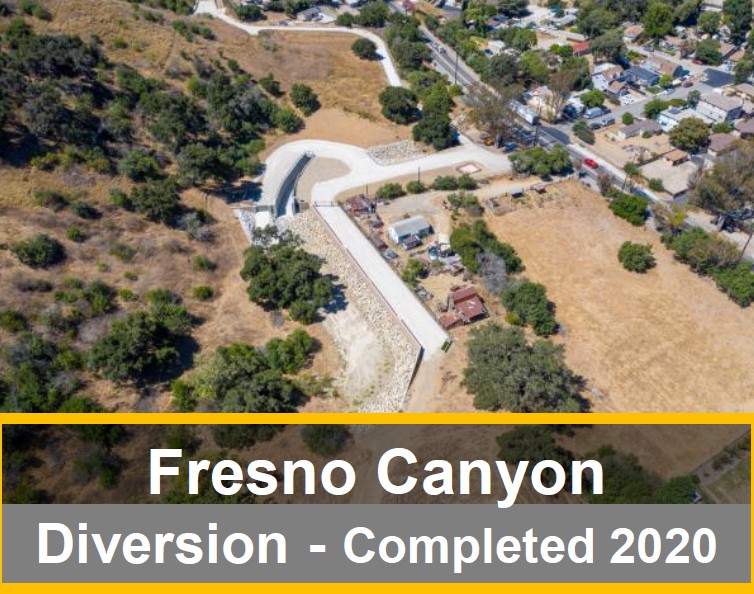
The purpose of the project was to mitigate repeated inundation of the community of Casitas Springs and State Route (SR) 33 from floodwaters, sediment, and debris originating from the Fresno Canyon Watershed and the related undersized storm drain facilities.

The project encompassed the area between where the Fresno Canyon channel outlets the canyon mouth on the east side of State Route 33 to the Ventura River.

The project components included the installation of a 108-inch reinforced concrete (RC) pipe from Fresno Canyon to the Ventura River utilizing both a jacking method (trenchless) and open trench installation, construction of RC floodwalls, RC masonry retaining walls, RC channel and chute, RC box, RC headwalls, rock riprap, concrete v-ditches, access roads of various materials, and asphalt bike path. The project also included the installation of 60-, 48-, and 18-inch RC pipes, and a 21-inch sewer line, manholes, chain link and wood fencing, chain link and pipe gates, and related appurtenances.